Reset Your Nerves Fast: Science-Backed Micro-Habits That Calm You Now

Today we dive into The Neuroscience of Quick Stress Recovery: Tiny Habits That Reboot the Nervous System, translating cutting‑edge findings on vagal tone, HPA timing, and sensory prediction into simple, field‑tested rituals you can apply in under two minutes, anywhere, without special gear. Expect practical cues, relatable stories, and science you can remember during hectic days, so your body learns safety faster and your mind returns to clarity, focus, and kindness when it matters most.

How Fast Recovery Works Inside Your Body

Your autonomic nervous system constantly balances protection and recovery. Rapid resets lean on the parasympathetic “vagal brake,” quick modulation of the HPA axis, and precise interoceptive signals that update predictions about safety. By pairing breath mechanics, sensory orientation, and language with clear context, you can interrupt spirals within seconds, turning a racing pulse into calmer readiness. Understanding these levers makes tiny practices feel rational, repeatable, and trustworthy during meetings, parenting, or crowded commutes.

The Vagal Brake, Explained Simply

When a startle hits, your heart rate rises, but a strong vagal brake lets it settle quickly. You can feel this as a warm drop in the chest after a long, unforced exhale. Training that response turns abrupt stressors into brief blips rather than spirals.

Cortisol’s Clock and Micro-Windows for Reset

Cortisol follows a curve with peaks and dips that shape your alertness. Small resets land best in micro‑windows before rumination takes hold. Practicing early—right when you notice clenched jaw, tunnel vision, or breath‑holding—prevents stress chemistry from compounding into hours of fog and fatigue.

Prediction Errors, Safety Cues, and Why Context Matters

Your brain predicts threat from past patterns; specific sensory signals can contradict that forecast and restore accuracy. Naming location, temperature, and posture while softening gaze tells midbrain circuits “current surroundings are manageable,” reducing false alarms and freeing attention for decisions rather than defense.

Two-Minute Practices You Can Use Anywhere

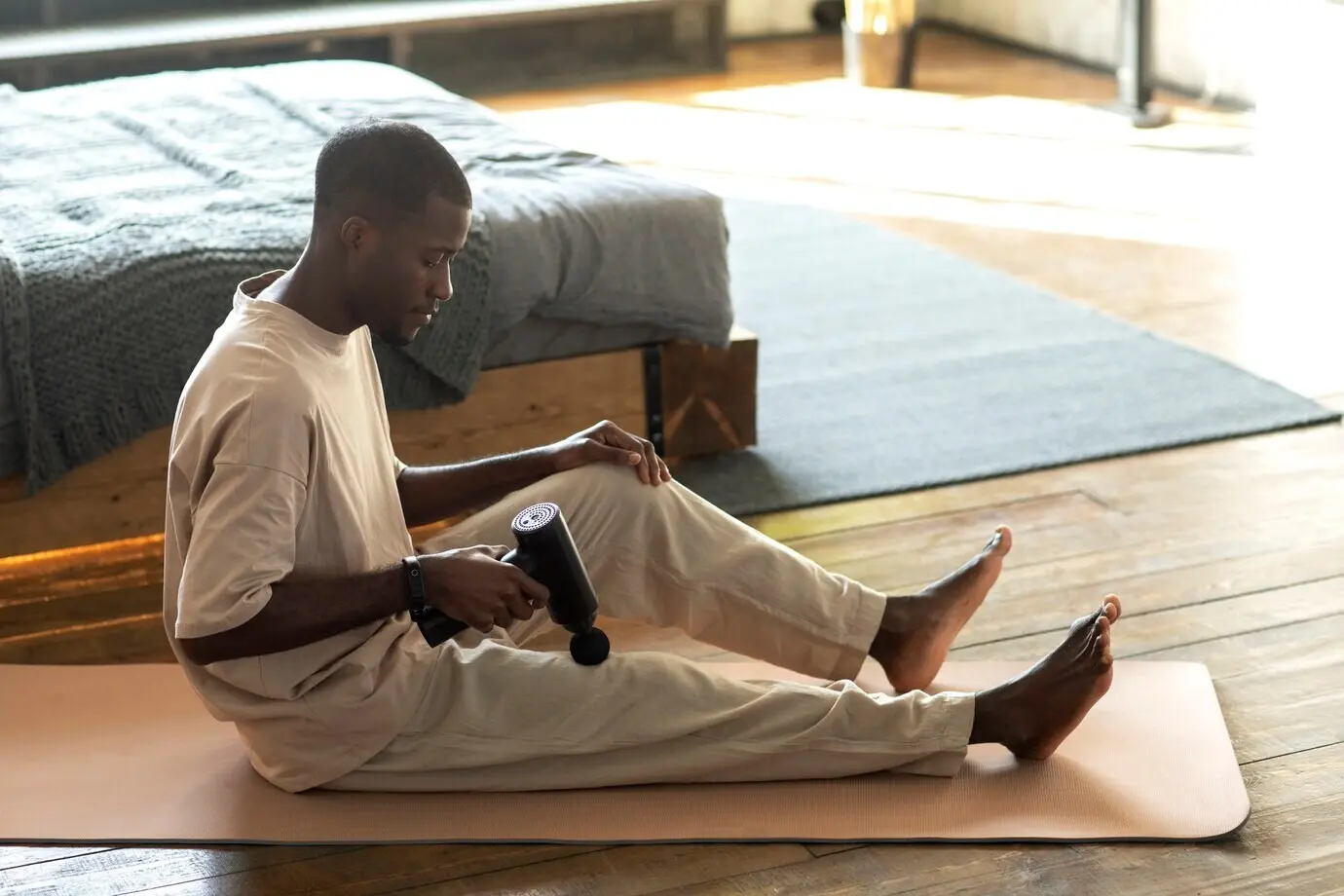
Short, portable techniques matter when time is tight and eyes are on you. These practices rely on real physiology—CO2 regulation, trigeminal cooling, and orienting reflexes—to downshift arousal without making you sleepy. Practice deliberately while calm, then deploy them during conflict, deadlines, or surprise disruptions, building reliability through repetition and gentle curiosity rather than perfectionism or pressure.

Design Habits That Stick Under Pressure

Great intentions fall apart under stress unless the cues are obvious, the action is tiny, and the reward is immediate. Use design thinking: constrain steps to under a minute, attach them to existing routines, and celebrate completion with a physical gesture, reinforcing neural pathways for calm.

Body-to-Brain Pathways That Quiet Alarm

Track Progress Without Fancy Devices

Data helps, but you do not need a device to notice meaningful change. Track what you feel, how quickly calm returns, and how long it lasts. Simple check‑ins create feedback loops that strengthen confidence, motivating continued practice during ordinary days, not just crises.

Safety, Edges, and When to Get Help

Quick practices are powerful, yet not every moment is right for every body. Respect limits, progress gradually, and consult professionals when symptoms feel overwhelming. With compassion, structure, and community support, you can develop steady recovery skills that hold during complexity, not just calm weekends.
Zomimorutipemuhuru
Privacy Overview

This website uses cookies so that we can provide you with the best user experience possible. Cookie information is stored in your browser and performs functions such as recognising you when you return to our website and helping our team to understand which sections of the website you find most interesting and useful.