Small Pauses, Stronger Days

Today we’re diving into Micro-Resets for Everyday Resilience—brief, reliable actions that take seconds yet shift your nervous system, attention, and mood. Discover science-backed techniques, real-life stories, and simple cues you can practice anywhere to feel steadier, recover faster, and protect your best energy throughout the day. Reply with the micro-reset you’ll try first and subscribe for weekly experiments.

Why Brief Breaks Rebuild Your Stamina

Your body is built to ride stress in waves, not drown in it. Micro-resets interrupt the accumulation of tension by engaging movement, breath, and attention cues that downshift arousal. Learn how tiny actions reduce allostatic load, restore executive function, and return you to meaningful focus without requiring extra willpower or time.

Getting Started in Under Two Minutes

Getting started should feel doable in minutes, not daunting. Choose one anchor habit tied to existing routines, notice your early stress signals, and design micro-resets that match your context. By linking actions to cues you already meet, consistency grows almost automatically and confidence follows.

Movement as a Reset You Can Feel

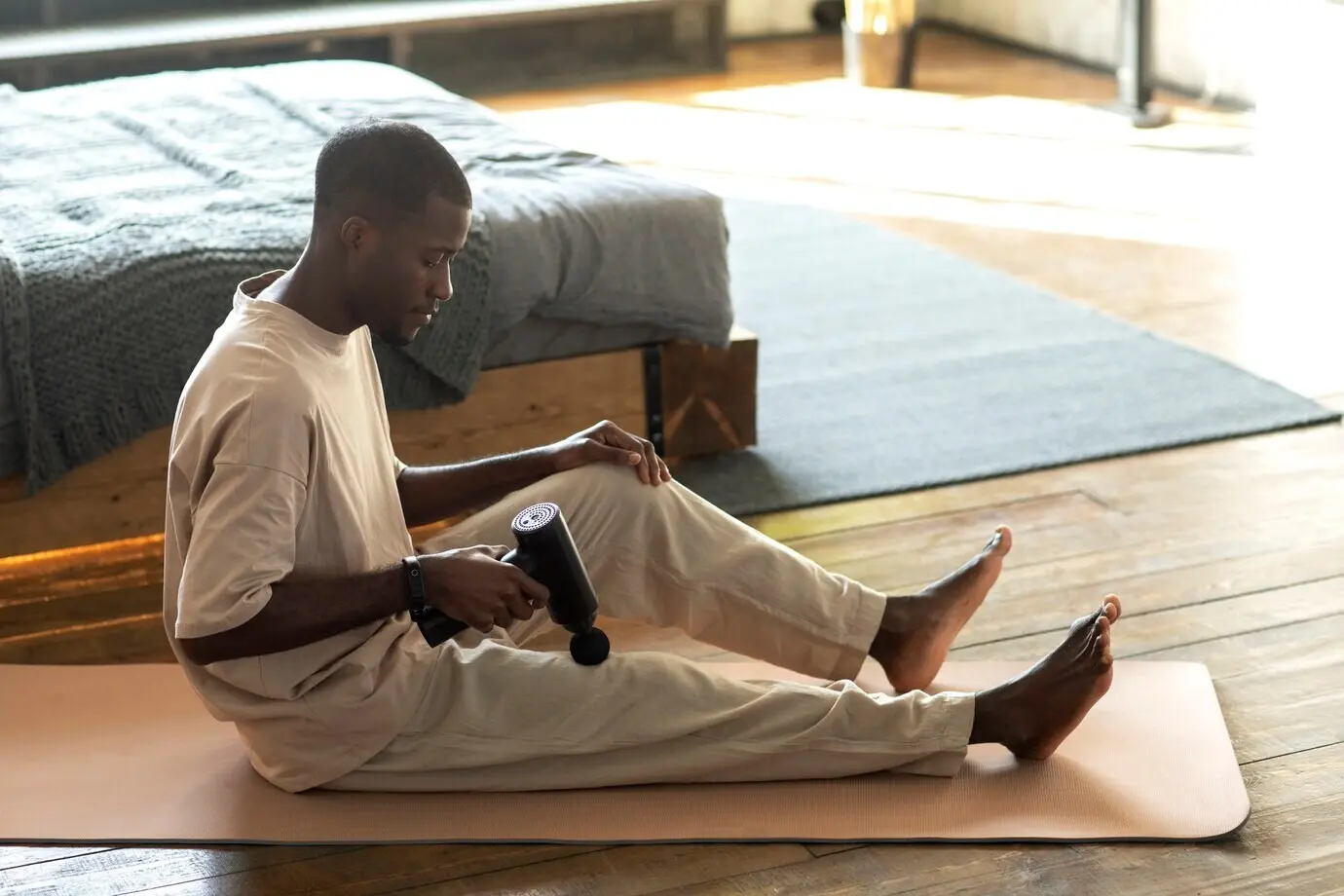
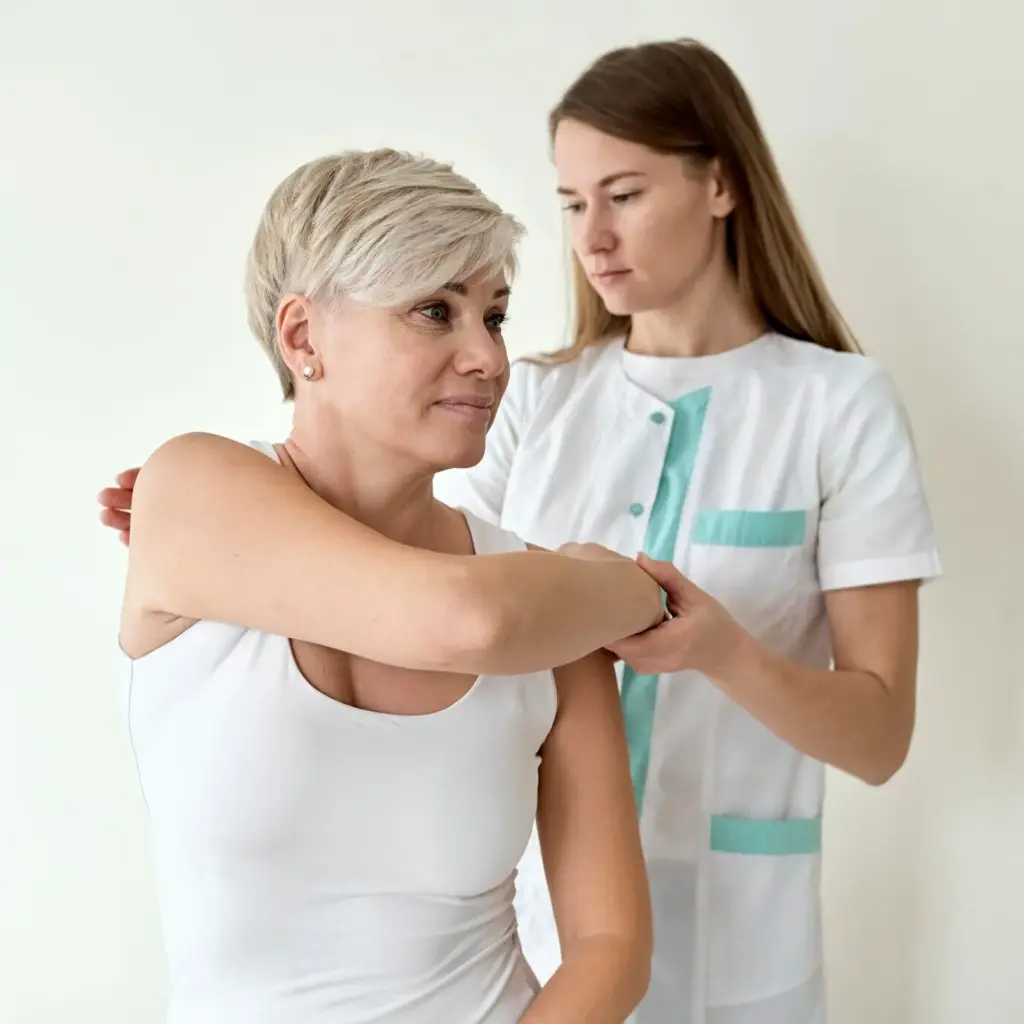
Movement resets do not require sweat or changing clothes. Gentle rotation, reaching, and walking stimulate circulation, interrupt static postures, and give your mind a new vantage point. These small motions nourish joints, recalibrate mood, and remind your nervous system that you are not stuck.

Desk Stretch Sequence That Fits Any Meeting Buffer

Use the one-minute meeting buffer: stand, plant feet, lengthen spine, sweep arms wide, rotate neck slowly, then look at a distant object to relax eye muscles. This simple sequence counteracts screen tunnel vision and signals a shift from intensity back to clarity.

The 100-Step Walk After Calls

After stressful calls, walk exactly one hundred steps while breathing calmly and noticing three textures around you. The specific number gives closure; the sensory scan returns attention to the body. You re-enter conversations steadier, less reactive, and ready to listen without defensiveness.

Breath Patterns That Change the Channel

Breath is the fastest lever you carry everywhere. Specific patterns calm threat detection, brighten focus, and regulate energy without caffeine. Practicing a few reliable techniques turns transitions into recovery opportunities so that demanding days feel challenging, not crushing, and evenings remain restorative instead of depleted.

The Two-Sigh Exhale Technique

Take two quick inhales through the nose followed by a long, unforced exhale through the mouth. This clears carbon dioxide efficiently, reduces sighing urges, and downshifts anxiety. Use it before opening difficult emails or when you notice breath stuck high in the chest.

Four-Count Box for Pre-Meeting Nerves

Inhale, hold, exhale, hold—all for four comfortable counts. The symmetry quiets overactive prediction circuits and stabilizes attention. Running one or two cycles before a meeting can prevent spirals, support steadier tone, and make you feel more prepared without over-rehearsing every word.


Evening Wind-Down with Extended Exhale

In the evening, extend your exhale to double the inhale and keep pace slow. Pair it with dimmer light and a shoulder release. This combination supports winding down naturally, improving sleep latency so tomorrow begins with more patience and steadier energy for surprises.

Micro-Mindset Shifts That Stick

Not every reset is physical. Brief language shifts change appraisal and behavior quickly. Choosing kinder self-talk, naming emotions accurately, and reframing constraints as design prompts can unlock momentum. These moves are small, honest, and powerful when repeated, especially during heavy weeks or uncertain projects.

Environmental Nudges for Automatic Resets

{{SECTION_SUBTITLE}}

Design a Reset-Rich Morning Pathway

Map your morning route: bed to water to light to movement to nourishment. Place objects where your half-asleep self will naturally meet them. A glass, a lamp, a mat, and a bowl of fruit create effortless cues that start resilience before email intrudes.

Visual Cues That Survive Busy Days

Use sticky notes sparingly and position them at eye level near decision points. A single verb—breathe, stand, stretch—outperforms dense instructions. The clarity shortens hesitation and keeps your day moving while still honoring your body’s signals for small, replenishing resets.

The 3:00 Micro-Reset Huddle

Choose a daily minute—perhaps 3:00 p.m.—when teammates stretch, breathe, or step outside together. Keep it optional, light, and welcoming to different bodies and abilities. The shared pattern supports belonging and gives permission to care for energy without apologizing.

Manager Playbook: Meetings with a Minute of Air

Open meetings with a quick check-in and one calming breath. Normalize cameras-off stretches in long sessions. Leaders who model humane pacing signal trust, reduce performative exhaustion, and increase creativity, because brains that feel safe wander intelligently instead of bracing defensively.
Zomimorutipemuhuru
Privacy Overview

This website uses cookies so that we can provide you with the best user experience possible. Cookie information is stored in your browser and performs functions such as recognising you when you return to our website and helping our team to understand which sections of the website you find most interesting and useful.